
The Most Luxury watches are more Stylish than just timekeeping device-width. They represent craftsmanship, prestige, and decades—sometimes centuries—of watchmaking tradition. Brands like Rolex, Omega, Patek Philippe, and Audemars Piguet produce timepieces that are admired across the world. Because these watches can cost thousands or even hundreds of thousands of dollars, they have become prime targets for counterfeiters.
Today, the global counterfeit watch market is worth billions. Fake watches are often sold online, in street markets, and even through some unauthorized retailers. As counterfeits become more sophisticated, luxury watch brands are investing heavily in advanced technologies and strict verification processes to protect their reputation and ensure customers receive genuine products. Let’s explore how luxury watch brands detect fake watches and combat the growing counterfeit industry.
Why Counterfeit Watches Are a Serious Problem
The counterfeit watch industry has grown rapidly over the past decade. Modern manufacturing technology allows counterfeiters to create replicas that look extremely similar to authentic watches. However, the damage goes far beyond simple imitation. Fake watches can harm both brands and customers in several ways.
Loss of brand trust is a major concern because customers expect authenticity when buying luxury products. Counterfeits also cause financial losses for companies by reducing legitimate sales. Another serious issue is damage to brand reputation, as poor-quality fake watches may be mistaken for genuine products. In many cases, customers are also victims of fraud when they unknowingly pay high prices for counterfeit watches. For brands built on heritage and craftsmanship, protecting authenticity is essential. Garmin Forerunner 570: Built for Long Miles, Tough Training, and Real Progress
Advanced Serial Numbers and Unique Identification
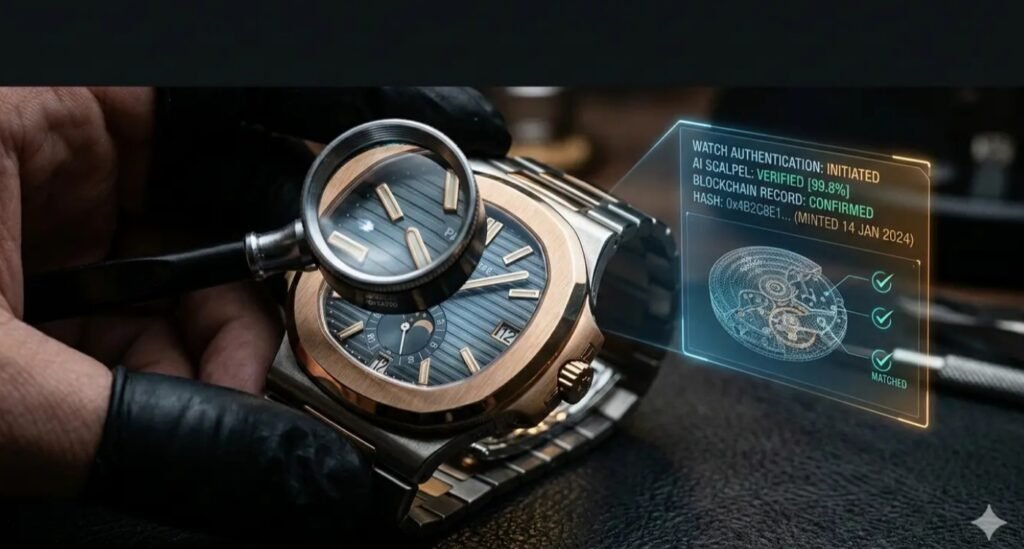
One of the first lines of defense used by luxury watch brands is unique serial numbers. Most high-end watches from companies like Rolex or Omega include a carefully engraved serial number. This number acts as a unique identifier that connects the watch to its production history.
These serial numbers allow manufacturers and authorized dealers to track when and where the watch was produced, verify the model and specifications, and confirm authenticity in service centers. Counterfeiters often copy serial numbers, but brands can detect duplicates in their databases. If the same serial number appears on multiple watches, it immediately raises a red flag.
Micro-Engravings and Hidden Details
Luxury watchmakers are masters of precision engineering, and many brands include microscopic engravings or hidden markings that are extremely difficult to replicate. For example, certain models from Rolex include a tiny laser-etched crown logo on the crystal. This engraving is so small that it can only be seen under magnification. Other watches may feature ultra-fine dial engravings, hidden logos inside the case, or special patterns on movement components. These details require highly specialized equipment and exceptional craftsmanship, making them extremely challenging for counterfeit manufacturers to reproduce accurately.
In-House Movement Verification
The heart of any mechanical watch is its movement, which is the intricate system of gears and springs that powers the timepiece. Brands like Patek Philippe and Audemars Piguet are famous for their complex in-house movements. These movements have distinctive designs, finishing techniques, and engineering details that are difficult to copy. When a watch is inspected at an authorized service center, watchmakers may open the case and carefully examine the movement. They look for signature finishing styles, correct movement architecture, authentic components, and brand-specific engravings. Even high-quality replicas often fail to match these precise details.
Blockchain and Digital Authentication
Technology is now playing a major role in the fight against counterfeit luxury watches. Some watch brands are experimenting with blockchain-based digital certificates that create a permanent digital record of a watch’s origin and ownership history. Instead of relying only on paper certificates, buyers may receive a secure digital authentication record stored on blockchain networks. This record can include production details, ownership transfers, and service history. Because blockchain data cannot easily be altered, it adds an extra layer of transparency and trust for collectors and buyers.
Artificial Intelligence and Image Analysis
Luxury brands are also exploring artificial intelligence to identify fake watches. AI systems can analyze watch images and compare them with official product databases to identify inconsistencies.
These systems examine small details such as dial design, case shape, logo placement, and font styles. Even tiny variations that humans might miss can be detected by AI-powered authentication tools. This technology is becoming especially useful for online marketplaces where counterfeit watches are frequently sold.
Strict Authorized Dealer Networks
Another key strategy used by luxury watch brands is maintaining strict authorized dealer networks. Companies such as Omega and Rolex carefully control where their watches are sold. Authorized retailers must meet strict standards and receive training to verify authenticity. When customers purchase from an authorized dealer, they receive guaranteed authenticity, official warranty coverage, and access to certified servicing. This controlled distribution system helps reduce the chances of counterfeit watches entering the legitimate market. Samsung Galaxy Watch 8 Series Redesign Leaks: A Fresh Look at Last?
Professional Authentication Experts
The growing popularity of luxury watch collecting has also created a new industry of professional authentication experts. These specialists use advanced tools such as high-powered microscopes, precision measurement instruments, and movement testing devices to inspect watches in detail. Authentication experts often work with auction houses, collectors, and resale platforms to confirm whether a watch is genuine. Their expertise is particularly valuable in the pre-owned luxury watch market, where older models may change hands multiple times.
Legal Actions Against Counterfeit Networks
Luxury watch companies actively pursue legal action against counterfeit manufacturers and distributors. Many brands monitor online marketplaces, social media platforms, and independent sellers to identify counterfeit products being offered to consumers. When counterfeit networks are discovered, companies may file lawsuits, cooperate with law enforcement agencies, and request the removal of counterfeit listings from online platforms. These efforts help disrupt illegal supply chains and reduce the availability of fake watches in the market.
Educating Consumers About Authenticity
Many luxury watch brands also focus on educating customers about how to identify genuine watches. Buyers are encouraged to pay attention to proper documentation, correct packaging, high-quality finishing, and the smooth movement of mechanical watches.
Brands often publish guides, articles, and online resources explaining the key differences between authentic and counterfeit watches. This education helps consumers make informed decisions and reduces the risk of unknowingly purchasing fake products.
The Future of Watch Authentication
As counterfeit technology continues to improve, luxury watch brands must constantly evolve their authentication methods. Future innovations may include advanced biometric micro-markings, NFC chips embedded inside watches, secure digital ownership certificates, and AI-powered verification applications.
These technologies will make it increasingly difficult for counterfeiters to replicate genuine luxury watches. At the same time, collectors and buyers will gain faster and more reliable tools to verify authenticity and protect their investments.

Wasim Akram is the Founder of LuxuryGole and a dedicated Tech Expert with over 10 years of experience in the digital ecosystem. Specializing in smartphone optimization, hidden software hacks, and digital security, Wasim focuses on providing premium, actionable insights to help users master their technology. His decade-long journey in the tech space ensures that every guide on LuxuryGole is backed by deep research and practical expertise. Connect with him on LinkedIn and Facebook for daily tech updates